Flower care mistakes after delivery from Barking florists
Posted on 28/10/2026
Fresh flowers arriving at your door should feel like a small bit of joy. The wrapper comes off, the room lifts, and for a moment everything looks a little softer. But then it happens: a bouquet starts drooping by evening, petals bruise, or the water goes cloudy fast. In many cases, it is not the flowers. It is the aftercare. This guide on Flower care mistakes after delivery from Barking florists shows you what often goes wrong, why it matters, and how to keep delivery flowers looking their best for longer.
Whether you have ordered for a birthday, sympathy tribute, anniversary, or simply to brighten the kitchen table, the first hour after delivery matters more than most people realise. Truth be told, a few small habits can make a surprising difference. Let's walk through the mistakes people make, the practical fixes, and the simple routines that help fresh flowers settle in properly.
Contents
- Why flower care mistakes matter
- How post-delivery flower care works
- Key benefits of getting it right
- Who this is for
- Step-by-step guidance
- Expert tips for better results
- Common mistakes to avoid
- Tools, resources and recommendations
- Law, compliance, standards, or best practice
- Options and comparison table
- Case study or real-world example
- Practical checklist
- Conclusion
- Frequently asked questions
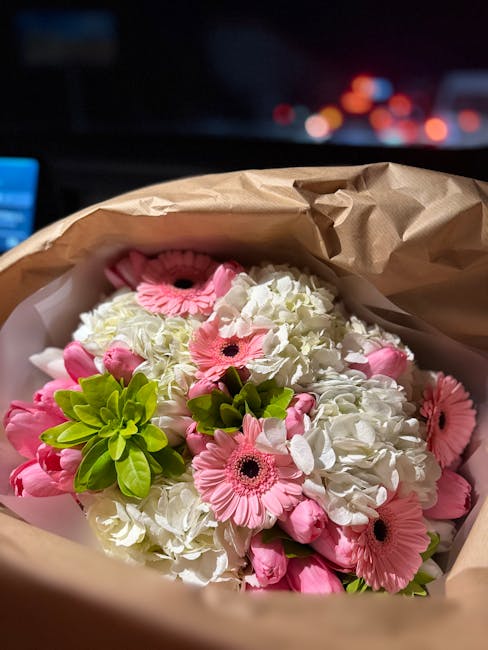
Why Flower care mistakes after delivery from Barking florists Matters
Flowers are delicate in a very practical way. Once they leave the florist, they are exposed to changes in temperature, dehydration, packaging pressure, and sometimes a long wait before they are unpacked. In a place like Barking, where a delivery might move from a van to a flat hallway, then into a warm living room or a cooler kitchen, that transition can be a bit abrupt for stems and petals.
The most common problem is simple: people assume the bouquet only needs a vase and water. Not quite. A delivery bouquet is often tired from travel. It needs a proper reset. If you skip that part, the flowers may not fail immediately, but they often decline faster than they should. That can be disappointing, especially when the bouquet was chosen carefully for someone important.
There is also a trust factor. If you have paid for quality, whether that means a hand-tied arrangement or a more budget-conscious bunch, you want the flowers to perform well at home. Good care protects that value. It also helps preserve scent, shape, and colour. Roses stay firmer. Lilies open more evenly. Mixed bouquets hold their balance instead of collapsing into a sad little heap on the sideboard. Nobody wants that.
And if the flowers are a gift, the stakes feel higher. A birthday bouquet that lasts beautifully feels thoughtful. A sympathy arrangement that stays fresh and presentable feels respectful. So yes, the care routine matters. Not because people are doing anything terribly wrong, but because flowers are less forgiving than they look.
How Flower care mistakes after delivery from Barking florists Works
Post-delivery flower care works by helping stems rehydrate and recover from transport stress. That is the basic science of it. Stems draw water upward through small channels, but those channels can be blocked by air bubbles, crushed fibres, bacteria, or simply a cut that is no longer fresh enough. The goal is to open the stems again and keep the water clean.
Most delivery flowers arrive with protective wrapping, sometimes a water source, sometimes not. Once they are indoors, they should be unpacked carefully, given a fresh diagonal cut, and placed into a clean vase with room-temperature water unless the florist has given specific instructions. Some flowers prefer slightly different handling, but the principle stays the same: reduce stress, restore hydration, and avoid contamination.
Where people go wrong is in rushing this process. You might put the bouquet on the counter, deal with the kettle, answer a message, and come back twenty minutes later. That seems harmless. It mostly is. But for some flowers, especially soft stems and mixed arrangements, those first minutes can affect how quickly they perk up. A bouquet left wrapped too long may trap moisture in the wrong place and bruise petals. A vase that was not washed properly can spread bacteria. Small things. Big effect.
Florists in Barking, like elsewhere, usually arrange flowers with transport in mind, but home care is still the final part of the job. Think of delivery as stage one and your vase as stage two. The bouquet does not really settle until both parts are handled properly.
Key Benefits and Practical Advantages
Getting flower care right after delivery is not just about keeping things pretty for one extra day. It has several real benefits that people notice almost immediately.
- Longer vase life: Fresh water, proper trimming, and the right placement can extend how long the bouquet looks good.
- Better opening: Buds open more evenly when stems can drink properly.
- Less waste: You lose fewer blooms to wilt, bruising, or bacteria.
- Improved presentation: A cared-for arrangement keeps its shape and looks far more polished on a table or shelf.
- More value for money: If you ordered from a local florist, especially for a special moment, good aftercare helps you get the most from your purchase.
There is also a softer benefit that is easy to overlook: the ritual itself. Unpacking flowers, trimming stems, and arranging them properly is a calm little pause in the day. A bit of quiet. A jug of water. The smell of fresh greenery. In our experience, that moment often becomes part of why people enjoy receiving flowers in the first place.
Key takeaway: most post-delivery flower failures are not dramatic mishaps. They are tiny avoidable mistakes made in the first 10 to 20 minutes. Fix those, and the bouquet usually rewards you.
Who This Is For and When It Makes Sense
This guide is for anyone receiving fresh flowers in Barking or nearby and wanting them to last properly. That includes first-time buyers, people sending gifts to family, and customers who simply want their home bouquet to stay fresh for the week.
It is especially useful if you:
- often order same-day or next-day flowers
- receive mixed bouquets with roses, lilies, alstroemeria, carnations, or similar stems
- forget to deal with flowers immediately after delivery because life gets busy, which, fair enough, happens to all of us
- have had arrangements wilt faster than expected and want to know why
- are sending flowers to someone else and want them to look good after the handover
This also makes sense when the flowers are for a sensitive occasion. A sympathy spray, a wedding bouquet, or a birthday arrangement all carry a different kind of expectation. You are not just keeping flowers alive; you are protecting the feeling behind them.
And if you are buying regularly, say for a household, a business reception, or recurring gifts, learning the basics pays off quickly. Once you know what to do, it becomes second nature. A little boring perhaps, but effective.
Step-by-Step Guidance
If you only follow one section, make it this one. A good after-delivery routine does not need fancy tools. It just needs to be done in the right order.
- Unpack the flowers promptly. Remove any outer wrapping, but do it gently. Support the stems as you go so you do not bend the heads.
- Check the bouquet condition. Look for crushed petals, damaged leaves, broken stems, or any binding material that is too tight. Remove loose packaging and anything sitting below the waterline.
- Clean the vase thoroughly. Use warm soapy water and rinse well. A vase that looks clean can still carry bacteria. That is one of those annoyingly sneaky problems.
- Trim the stems. Cut 1 to 2 centimetres from each stem at a diagonal angle using sharp scissors or flower snips. A clean cut helps water uptake.
- Remove leaves below the waterline. Any submerged foliage rots quickly and clouds the water. It also feeds bacteria. Not ideal.
- Add fresh water. Fill the vase with clean, room-temperature water unless the flower type suggests otherwise.
- Add flower food if provided. Use the whole sachet and mix it properly. Half-dissolved powder is not much help.
- Arrange the stems loosely. Give them breathing space. Crowding can damage petals and restrict airflow.
- Place away from direct heat and fruit. Sunlight, radiators, and ripening fruit all shorten vase life.
- Refresh the water regularly. Every two days is a sensible rhythm for many bouquets, with a fresh trim if needed.
A simple example: if your flowers arrive around 6 pm after work, do not leave them on the hallway radiator while you cook dinner. That is one of those little mistakes people make without meaning to. Unwrap them, trim them, and put them in water first. Then deal with the rest of the evening.
Some flowers may need a short recovery period. If they look a bit tired on arrival, place them in cool water and leave them somewhere calm for an hour or two. Often, they lift surprisingly well. Flowers can be a bit dramatic at first. They settle down.
Expert Tips for Better Results
Once the basics are in place, a few small habits can noticeably improve results. Nothing complicated, just sensible florist-style thinking.
1. Recut stems under running water when possible
This helps reduce the chance of air entering the stems. It is not essential for every bouquet, but it can help if the flowers have travelled a little longer than usual or look slightly limp.
2. Use cooler rooms for longer-lasting arrangements
Most cut flowers last longer in cooler conditions. A bright windowsill may look lovely, but if it is warm through the afternoon, the bouquet may fade faster. A steadier room works better.
3. Separate highly thirsty flowers if needed
Some stems drink faster than others. In mixed bouquets, the stronger drinkers can crowd out the arrangement or make the water dirty more quickly. If a bouquet looks uneven after a couple of days, split it into two vases. It often helps more than people expect.
4. Watch for hidden leaf rot
Leaves tucked beneath the waterline are a quiet source of trouble. You cannot always see the damage from across the room, but the water will tell on them soon enough.
5. Give heavy blooms proper support
Large-headed flowers may need deeper water and a stable vase. Without support, they lean, split, or compress the stems. A heavier vase can be better than a pretty but flimsy one.
Here is a small but useful habit: when you refresh the water, take ten seconds to sniff it. If it smells off, change it fully and clean the vase. It is not glamorous, but it works. Your nose will tell you before your eyes do.
And yes, there is such a thing as overhandling flowers. Too much fuss can bruise petals. So be attentive, not fussy. There's a line somewhere in there.
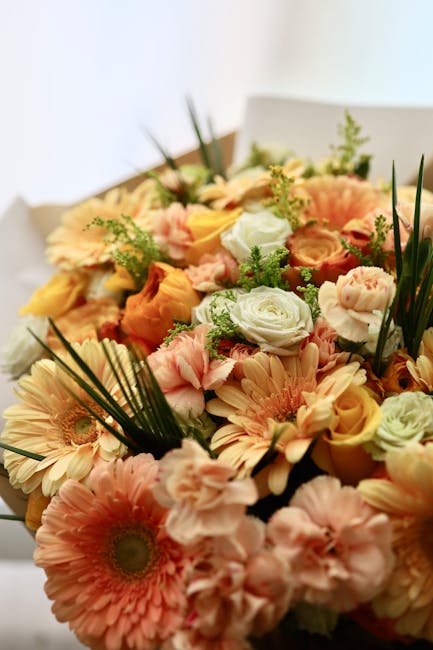
Common Mistakes to Avoid
This is where most flower care problems begin. None of these mistakes are unusual. They are just very common.
| Mistake | Why it causes problems | Better approach |
|---|---|---|
| Leaving flowers wrapped for too long | Stems cannot hydrate properly and petals may steam or bruise | Unwrap promptly and place in water |
| Using a dirty vase | Bacteria builds up fast and shortens vase life | Wash the vase before use |
| Forgetting to trim stems | Ends seal up and absorb less water | Cut 1 to 2 cm at an angle |
| Placing flowers near heat or sun | Heat speeds up wilting and water loss | Keep them in a cool, stable spot |
| Leaving leaves in the water | Rot and bacteria make water cloudy | Strip any submerged foliage |
| Using too little water | Stems dry out quickly and collapse | Fill the vase appropriately for the bouquet type |
| Ignoring dying stems | One bad stem can affect the rest | Remove failing blooms early |
Another mistake is assuming every flower behaves the same. Roses, lilies, chrysanthemums, and mixed florist-choice bouquets all have slightly different needs. That does not mean you need a botany degree. Far from it. But it does mean one universal rule is not always enough.
One more thing people overlook: cutting stems with blunt scissors. It sounds minor, but crushed stems struggle to drink. Use something sharp and clean. Kitchen scissors left from opening packaging are not really the same thing.
Tools, Resources and Recommendations
You do not need much to care for delivery flowers properly. A few household basics are enough.
- A clean vase with enough height and stability for the bouquet
- Sharp scissors or flower snips for a clean stem cut
- Fresh, room-temperature water
- Flower food if it is supplied with the bouquet
- A small jug or sink space for changing water without making a mess
- Paper towel or cloth for wiping the vase and drying the base
If you want to simplify things, it also helps to buy flowers from a local range that includes care guidance. For example, browsing flower care advice from Barking florists can give you a sensible starting point, while delivery information helps you understand how flowers are packed and when they are likely to arrive.
If you are choosing a gift bouquet, it can be useful to think about the recipient's routine too. Someone who is home all day may manage a larger vase arrangement well. Someone with a busy schedule may do better with a simpler display or a design that is easy to refresh. The same goes for same-day flower delivery in Barking IG11, where speed is the point and aftercare needs to be straightforward.
For occasions, some styles are naturally easier to manage. A sturdy vase arrangement or a balanced bouquet from flowers in a vase can be less fiddly than a loosely wrapped hand-tied bunch. That is not a hard rule, just a practical observation.
Law, Compliance, Standards, or Best Practice
For ordinary home flower care, there is no special legal framework you need to worry about. Still, there are a few sensible best-practice points worth keeping in mind when buying from any UK florist.
First, a reputable florist should give accurate product information and clear delivery expectations. If care instructions are provided, follow them first, because they may be tailored to the bouquet or stem mix. Secondly, if flowers arrive damaged, missing, or clearly below expectation, check the retailer's returns or refund terms rather than trying to rescue the bouquet in silence. That is where returns and refund information becomes relevant.
It is also good practice to understand the florist's general service terms, payment handling, and guarantees. Those pages are not exciting, I know, but they can save confusion later. If you are sending flowers for a formal or emotional occasion, that clarity matters more than people realise.
For businesses ordering regularly, consistent care standards help maintain presentation in receptions, meeting rooms, and customer-facing spaces. A practical routine is usually enough, but consistency is the real secret. Same vase cleaning. Same water changes. Same stem trimming. Nothing flashy.
And if sustainability matters to you, it is reasonable to ask whether packaging and sourcing practices are described clearly. Many customers simply want to know that the flowers are being handled responsibly. That is fair. You can review general policies such as sustainability information and the company's about us page for background on how a florist presents its service values.
Options, Methods, or Comparison Table
Different care approaches work better depending on the bouquet and the setting. Here is a straightforward comparison of common methods people use after delivery.
| Method | Best for | Pros | Watch out for |
|---|---|---|---|
| Full vase refresh on arrival | Most mixed bouquets | Fast hydration, strong recovery | Needs a clean vase and a bit of time |
| Short resting period before arranging | Flowers that arrived slightly stressed | Helps stems recover before placement | Do not leave too long without water |
| Splitting bouquet into two smaller vases | Large or crowded arrangements | Better airflow and easier care | May change the design's original look |
| Using a vase with a narrow neck | Loose stems or tall flowers | Supports the shape well | Can trap moisture if overcrowded |
| Keeping bouquet in a cool room | Most cut flowers | Usually extends vase life | Not ideal if the room is too dark |
If you are unsure which route to take, the safest default is usually the clean vase, fresh trim, and cool room approach. It is boring, yes. It also works. Sometimes the least dramatic method is the best one, which flowers seem to prove every week.
Case Study or Real-World Example
Here is a realistic example from a common local scenario. A customer receives a mixed bouquet in Barking on a Friday evening. The flowers look fine at first glance, so they are left on the kitchen counter while dinner is sorted. By Saturday morning, the roses have started to droop a little and the water smells faintly sweet and stale. The bouquet is not ruined, but it is headed that way.
Now compare that with a second version of the same delivery. The bouquet is unpacked within ten minutes, stems are recut, leaves below the waterline are removed, and the flowers are placed into a clean vase away from the radiator. By Sunday evening, the arrangement still looks lively, and by Tuesday it is holding shape far better than the first one.
The difference is not luck. It is the first hour. That is usually where vase life is won or lost.
In our experience, the people who are happiest with delivery flowers are not necessarily the ones who buy the most expensive bouquet. They are the ones who handle the first steps properly. A small bit of care, nothing more, and the bouquet seems to breathe again.
Practical Checklist
Use this checklist straight after your flowers arrive.
- Unwrap the bouquet gently as soon as possible
- Inspect for damaged petals or broken stems
- Wash the vase thoroughly
- Trim stems at a diagonal angle
- Remove any leaves below the waterline
- Add fresh water and flower food if supplied
- Arrange the flowers loosely, not packed tight
- Keep the vase away from heat, fruit, and direct sun
- Change the water regularly
- Remove fading blooms before they affect the rest
Quick self-check: if the water looks cloudy, smells off, or the stems feel soft at the base, something in the routine needs adjusting. Do not panic. Just reset the vase, trim again, and move the bouquet somewhere cooler.
Conclusion
Most flower care mistakes after delivery from Barking florists are avoidable, and that is the good news. You do not need specialist tools or a complicated routine. You just need to unwrap the bouquet promptly, give it a clean vase, trim the stems, and keep it somewhere sensible. Small habits, repeated consistently, make a real difference.
If flowers have let you down before, it may not have been the florist at all. Often it is the gap between delivery and proper care. Close that gap and the bouquet usually lasts longer, looks brighter, and feels like better value. Simple enough, really.
If you are planning your next order, take a moment to think beyond the delivery and toward the first day at home. That is where the magic holds up, or doesn't. And when it does, it is lovely.
Get a free quote today and see how much you can save.
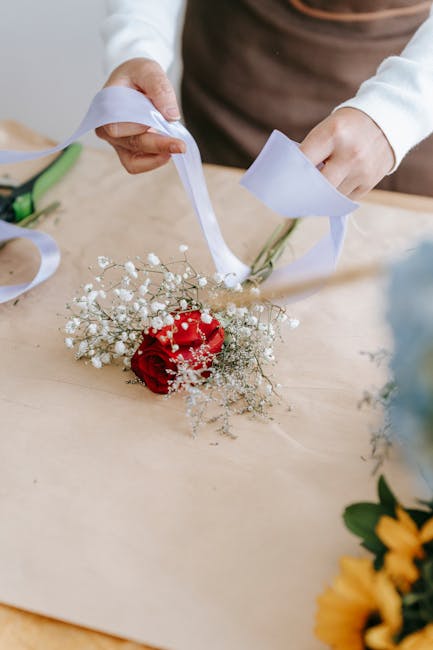
Frequently Asked Questions
How soon should I put delivered flowers in water?
As soon as you reasonably can. A short delay is usually fine, but the sooner the stems are out of packaging and into clean water, the better the bouquet tends to recover.
Should I cut flower stems before or after putting them in a vase?
Cut them before placing them in the vase. A fresh diagonal cut helps the stems take up water more efficiently and gives the bouquet a better chance of bouncing back after delivery.
Do all delivery flowers need flower food?
Not always, but if it is supplied, use it. It is designed to support hydration and slow bacterial growth. Follow the instructions on the sachet rather than guessing the amount.
Why do my flowers go droopy so quickly after delivery?
It is often due to delayed unpacking, a dirty vase, blocked stems, too much heat, or leaves left in the water. Sometimes it is a mix of all five, which is annoyingly common.
Is cold water or warm water better for fresh flowers?
For many bouquets, room-temperature water is a safe choice. Some stems prefer slightly cooler conditions, but unless the florist gives different guidance, room temperature usually works well.
Can I leave flowers in the delivery wrapping overnight?
It is not ideal. Wrapping can trap moisture and restrict hydration. If you absolutely must delay, keep them in water if possible and unpack them properly the next morning.
How often should I change the vase water?
Every two days is a sensible general rule. If the water becomes cloudy or smells stale sooner, change it earlier and rinse the vase well.
Why do leaves in the water matter so much?
Because they rot quickly and feed bacteria. That bacteria shortens vase life and makes the water go cloudy, which then affects the stems. It is a small detail with a big impact.
What should I do if my flowers arrive looking tired?
Unpack them carefully, recut the stems, and place them in clean water in a cool spot. Many flowers perk up after a short recovery period. If the damage is obvious or severe, contact the florist about the order.
Are some flowers easier to care for than others?
Yes. Some stems are naturally sturdier and last longer in a vase, while others are more delicate. Mixed florist-choice bouquets can vary, but sturdy varieties like chrysanthemums and alstroemeria are often more forgiving than softer blooms.
Can I use any vase for delivery flowers?
You can, but the best vase is clean, stable, and the right size for the bouquet. A vase that is too narrow can crowd the stems, while one that is too wide may let the flowers flop about.
What if I bought flowers for a special occasion and they disappoint?
First, check the care routine and the delivery condition carefully. If the issue appears to be with the product itself, review the florist's refund or guarantee information and contact them promptly. Clear photos help, and so does a calm explanation. Usually the fastest fix is better than the most dramatic one.
Do Barking florists usually give aftercare instructions?
Many do, yes. If instructions come with the bouquet, follow those first because they may suit the specific flower mix. If not, the basic care steps in this guide are a reliable starting point.
Is there a difference between care for hand-tied and vase arrangements?
Yes, a little. Vase arrangements are often easier because they arrive already displayed, while hand-tied bouquets usually need immediate trimming and arranging. Both benefit from clean water, a clean container, and a cool place away from heat.


